
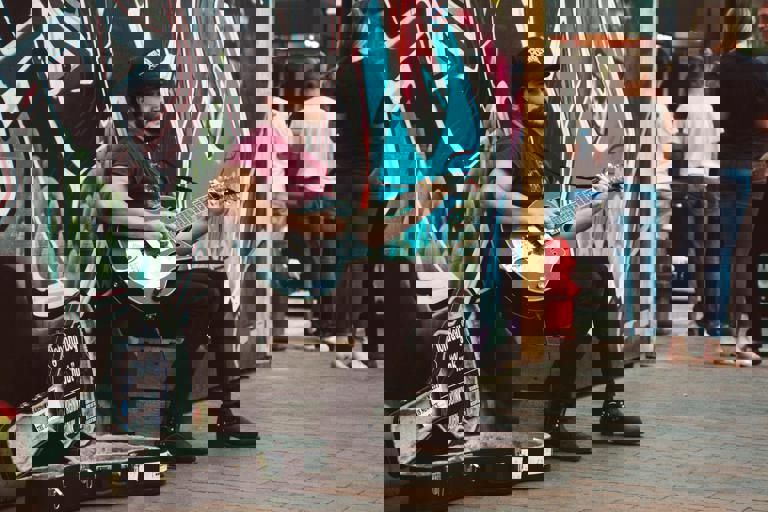
Over the last several months, downtown public squares have witnessed a vibrant transformation as a surge of street performers take to open-air spaces. From solo musicians strumming acoustic guitars to flamboyant dance troupes weaving through the crowd, weekday afternoons are no longer defined solely by hurried commuters. Instead, these previously static areas pulse with music, rhythm, and a palpable sense of energy that invites passersby to pause and participate.
This trend, observed across many Canadian cities, is being recognized not only for its entertainment value but also for its positive impact on urban life. According to city planners, the revitalization of public squares through live performances helps foster a greater sense of community by bringing together people from diverse backgrounds. As one local urban sociologist, Dr. Lena Martin, notes, "Public art in motion dissolves barriers and turns everyday spaces into places of connection.”
At the heart of this artistic resurgence are dedicated artists who see the streets as their stage. Cellist Marcus René, whose performances have drawn sizable midday crowds, describes the experience as "intimacy on a large scale." He explains, "You feel an immediate feedback from the crowd—people stop, listen, smile. Even those in a rush seem lighter." His experiences reflect a larger movement where performers shape the ambiance of the city.
City officials have taken note, responding with pilot programs that provide legal and logistical support to street artists. Permit processes have been streamlined to allow for greater flexibility, and public squares are being designed to better accommodate performances. "We want to enable artists to thrive while ensuring public safety and smooth pedestrian movement," says Alicia Grant, a city cultural coordinator overseeing these initiatives.
Statistical indicators suggest that these performances are more than an aesthetic boon—they're driving tangible shifts in local commerce. Nearby cafes and shops are reporting increases in afternoon foot traffic, with some businesses citing double-digit sales growth during peak performance periods. According to a recent survey by the Canadian Urban Business Institute, nearly 68% of downtown visitors said they were more likely to stay longer and shop locally when drawn in by street performances.
For many office workers, the influx of music and dance into city squares is a welcome break from routine. Take Priya Desai, a legal assistant, who describes taking her lunch outside more frequently since the uptick in afternoon performances. "It makes the whole square feel alive," she says. "I even schedule meetings around them sometimes—it’s a great way to reset in the middle of a busy day."
The diversity of performances is noteworthy, with acts spanning jazz ensembles, improvisational theatre troupes, folk bands, and hip-hop dancers. These varied art forms attract different audiences and foster greater representation in public art, making downtown squares reflect the multicultural fabric of the city. Audiences are often seen snapping photos and sharing experiences on social media, amplifying the buzz well beyond the immediate vicinity.
However, the street performance boom also presents challenges. Noise levels, crowd control, and heightened maintenance requirements have prompted ongoing dialogue between community groups, performers, and officials. Local residents have voiced concerns about volume and litter, leading city councils to consider noise caps and designated performance zones. Performer Olivia Tran sees these discussions as a chance for collaboration: "Working together can help us sustain the energy and respect everyone’s needs."
Looking ahead, as seasonal festivals and longer daylight hours approach, city officials anticipate an even greater surge in open-air artistry. The ongoing enthusiasm for these spontaneous shows signals a broader appreciation for accessible culture and demonstrates how creative expression can reshape the rhythm of urban life. As performers and city dwellers continue to collaborate, downtown public squares are positioned to remain lively hubs—testaments to the transformative power of art in everyday spaces.