
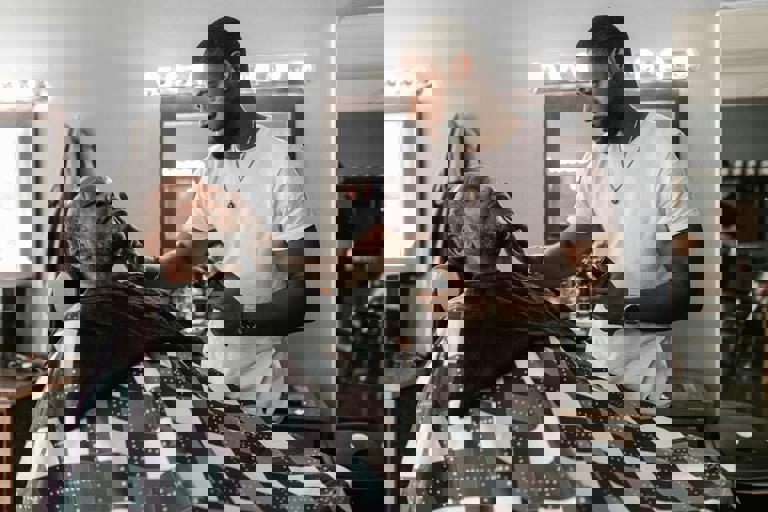
As high-end salons across the city continue to raise their prices, an increasing number of residents are turning to underground barbershops as a practical alternative. These unofficial, often home-based hair studios offer both men and women affordable haircut options in response to a market where standard salon visits can exceed $100. The trend is not only saving consumers money but also raising questions about the future of traditional brick-and-mortar enterprises in the haircare industry.
In recent years, the beauty sector has witnessed a steep escalation in service costs. Industry data reveals that the average price for a haircut at an upscale salon has climbed by over 20 percent in the past five years. Many attribute this surge to rising rents, increased labor expenses, and the return of post-pandemic demand. For individuals already feeling strained by the cost of living, these factors have rendered regular salon visits a luxury rather than a necessity.
Faced with soaring expenses, many residents have begun seeking alternative solutions. Underground barbershops—run out of basements, living rooms, or even garages—have emerged as a discreet and affordable option. These operations typically rely on word-of-mouth referrals, private social media groups, and messaging apps to connect with clientele. The appeal lies in both the lower prices, often 50 percent less than salons, and the relaxed, personalized nature of the service.
One such customer, Eva Li, shared her perspective: “I was quoted $120 for a simple trim at a well-known salon. Through a friend, I found a local barber who charged me only $30, and I was very happy with the result.” Stories like Eva’s have become increasingly common as people search for value without sacrificing quality. It’s not just about saving money; some even report a greater sense of community and trust in these informal setups.
However, the rise of underground barbershops does not come without controversy. Established salon owners have voiced concerns about unlicensed competitors operating outside of regulation. “We’re held to strict hygiene and certification standards,” explained Nora Patel, owner of a midtown salon. “When people choose underground services, they risk their safety and undermine legitimate businesses that invest heavily in proper training and sanitation.”
Despite such concerns, enforcement remains a challenge. Regulatory bodies acknowledge the difficulty in policing these discrete, often private, businesses. Authorities point out that while regulations for personal services are clear, discovering and shutting down non-compliant barbershops often requires complaints or tip-offs from the public. For many customers, the benefits outweigh the risks, and some even argue that these services fill a vital gap for those priced out of the mainstream market.
Beyond affordability, underground barbershops appeal to those seeking flexible hours and less formal environments. Students, shift workers, and others with unpredictable schedules often find it easier to book evening or weekend appointments. Barbers operating from home can offer more customized schedules, catering to clients who struggle to find time for self-care during regular business hours. This adaptability gives underground barbers a clear edge in a fast-paced urban landscape.
Interestingly, the trend is creating new opportunities for skill development and entrepreneurship. Some underground barbers have completed formal training and see these home-based businesses as stepping stones to eventual salon ownership. Others are self-taught but rely on positive customer feedback and high standards to grow their reputations. “It’s a way for me to build a portfolio and clientele without the overhead costs,” said one such barber, who requested anonymity due to licensing concerns.
Consumer advocates urge those considering underground services to exercise caution. Checking references, ensuring all tools appear clean, and confirming that barbers follow basic hygiene protocols are essential steps. Some advocates push for a rethinking of regulation, suggesting lower-cost licensing or support pathways for low-income barbers to operate above board. This, they argue, could help balance consumer safety with the community's need for accessible personal services.
As high-end salon prices show no sign of abating, the popularity of underground barbershops is likely to persist. Whether this trend signals a permanent shift in urban grooming culture remains to be seen. What is clear, however, is that the resilience and adaptability of residents continue to reshape the city’s beauty sector, challenging traditional business models and redefining where, and how, people get their hair cut.