
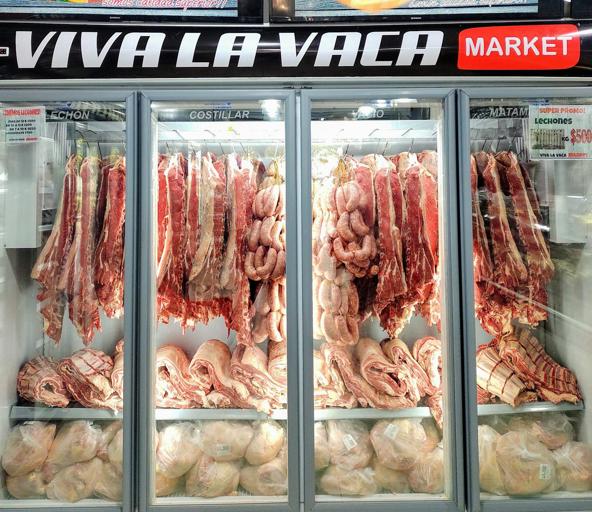
A local butcher shop is making headlines in the culinary world by venturing into a territory few have dared to tread. In response to the mounting issue of soaring meat prices, the shop has introduced a range of sausages with a novel main ingredient: crickets. The move is designed to cater both to a growing population of environmentally conscious consumers and to those simply struggling to keep their grocery bills in check.
The concept of using insects such as crickets for food is not entirely new, but it remains unconventional in many Western countries, including Canada. According to the Food and Agriculture Organization of the United Nations, over two billion people globally regularly consume insects as part of their diet. However, incorporating cricket protein into familiar products like sausages is still a pioneering development in Canadian butcher shops.
Andrew Lim, the owner of the shop, explained his motivation: “Meat prices have doubled for some items in just the past couple of years. Customers are searching for alternatives that don’t compromise on nutrition or taste. Crickets are high in protein, low in fat, and a lot less taxing on the environment than traditional livestock.” Lim’s sentiment echoes the growing trend towards sustainable eating.
Rising meat prices have made it increasingly difficult for many families to afford their favorite cuts of beef, pork, or chicken. According to statistics from industry analysts, the average price of meat in Canada rose by nearly 10% over the past year alone. This surge has created a significant demand for cheaper, yet still nutritious, sources of protein, setting the stage for unusual alternatives such as insect-based foods.
Crickets, as a protein source, offer impressive nutritional benefits. They contain all the essential amino acids, providing more protein per kilogram than beef. Additionally, crickets are rich in vitamins like B12, as well as minerals including iron, magnesium, and zinc. Because of their high protein density, the butcher’s cricket sausages appeal not only to those concerned with sustainability but also to athletes and fitness enthusiasts seeking quality nutrients.
Concerns about flavor and texture are at the forefront of many consumers’ minds when it comes to insect-based foods. “I was skeptical at first,” admitted one customer, Maria Singh. “But the taste reminds me of any other well-made sausage, just with a slightly nutty undertone.” According to Lim, cricket flour blends seamlessly with traditional seasonings, helping the sausages maintain a familiar taste and mouthfeel that reassures hesitant buyers.
Sustainability is a major draw behind the trend towards edible insects. Livestock production is responsible for a significant portion of greenhouse gas emissions worldwide. In contrast, crickets require a fraction of the feed, water, and land, and emit negligible amounts of methane. The shop’s new sausages therefore offer a way for consumers to reduce their personal environmental footprint without sacrificing dietary protein.
Despite the advantages, there are challenges in introducing cricket-based foods to a skeptical market. Food anthropologist Dr. Sarah Lavoie points out, “Cultural perceptions shape our diets just as much as nutrition or economics. There’s still a psychological barrier for many people who are unaccustomed to the idea of eating insects, despite their benefits.” However, integration into familiar formats, like sausages, can help break down these mental hurdles.
Innovative marketing has been crucial in drawing attention to the new sausage line. The butcher shop hosts tasting events where customers can sample cricket sausages alongside more traditional varieties. Staff are trained to answer questions about sourcing, nutrition, and environmental impact. These direct interactions seem to be helping dispel myths and generate curiosity among shoppers, some of whom return specifically for the new offering.
Sourcing the crickets is another key part of the operation. The butcher partners with local insect farms, which adhere to strict food safety and sustainability standards. These farms ensure the crickets are humanely raised and free from contaminants. Sourcing locally also keeps the supply chain short, supporting the regional economy while minimizing transportation-related emissions associated with more conventional meats.
The move is part of a broader shift toward alternative proteins, which includes everything from plant-based burgers to lab-grown meat. Market research firm Mintel reports that Canadian consumers, especially younger generations, are increasingly open to trying new protein sources. The butcher’s decision to include cricket sausages is timely, reflecting both market trends and pressing environmental concerns.
Feedback so far has been largely positive, with many early adopters expressing enthusiasm for both the taste and the philosophy behind the product. “It’s fun to try something new, but it’s also meaningful to support food options that are better for the planet,” said regular customer James Murray. The shop has seen a boost in foot traffic since launching the cricket sausage and is considering expanding to other insect-based products.
As food prices and environmental concerns continue to dominate public discourse, innovative solutions like cricket-based sausages highlight the adaptability of local businesses and consumers alike. This leap into insect cuisine may just foreshadow a future where the lines between traditional and alternative proteins blur, all in the pursuit of accessible, sustainable, and tasty food for all.