
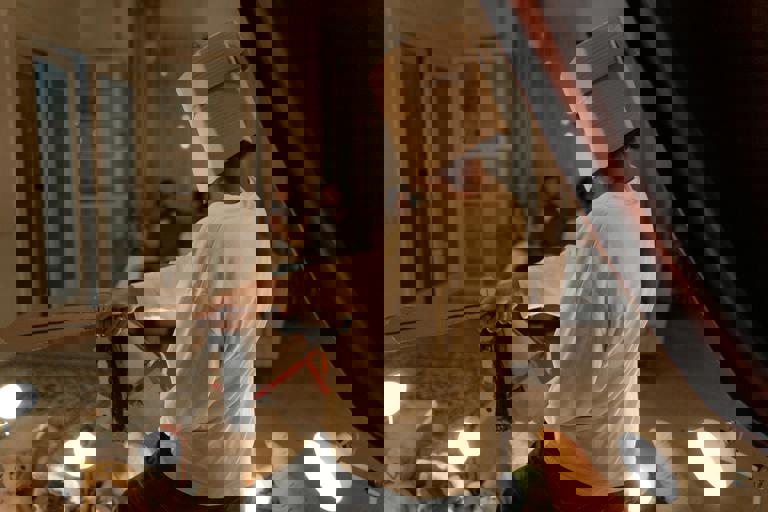
A vibrant celebration of Indigenous culture unfolded last night as the downtown theatre welcomed a record-breaking audience for its much-anticipated Indigenous Storytelling Night. Organizers reported the venue was filled to capacity, with standing-room-only crowds gathering well before the opening act. The event, part of a broader initiative to elevate Indigenous voices within the arts, highlighted both traditional tales and contemporary narratives crafted by Indigenous storytellers from across the country.
Audiences were treated to a rich tapestry of performances that included spoken word, music, and theatrical monologues. Each segment was rooted in the diverse traditions and experiences of Indigenous communities, offering both moments of reflection and bursts of laughter. Many attendees described the atmosphere as electric, noting the palpable sense of anticipation and community reverberating through the halls.
According to event organizer Mia Cardinal, the turnout exceeded expectations. "We hoped for a good crowd, but the overwhelming support has truly affirmed the city’s commitment to honouring Indigenous voices," Cardinal stated in a post-show interview. She emphasized the significance of creating spaces where Indigenous stories can be shared unfiltered and appreciated by both Indigenous and non-Indigenous audiences.
Among the evening's highlights was an emotional retelling of a Cree creation story by elder Josephine Petawabano, whose powerful voice held the crowd in rapt attention. Her performance was followed by a contemporary piece from up-and-coming Métis playwright Taylor Running Wolf, which explored the complexities of urban Indigenous identity through humor and candid personal anecdotes. These contrasting performances underscored the breadth of Indigenous storytelling traditions.
The event was not only successful in terms of attendance but also in its ability to foster dialogue and understanding. Audience member Alex Deneault remarked, “I came to learn, and I left deeply moved. There’s so much depth and resilience in these stories—it's an experience I wish everyone could have.” Many echoed similar sentiments, noting that such events play a crucial role in building cultural bridges.
Throughout the evening, traditional drumming and song interludes provided a sensory thread connecting the stories to ancestral roots. The fusion of old and new was intentional, according to Cardinal, who said, “Indigenous storytelling is ever-evolving. We honour our ancestors, but we also forge new paths, and that balance was reflected in tonight’s performances.” This approach resonated strongly with younger audience members, many of whom expressed pride in seeing their heritage celebrated so publicly.
The success of Indigenous Storytelling Night has inspired organizers to announce plans for future events, including workshops and storytelling circles aimed at youth. There is also discussion of expanding to multiple nights or larger venues in the coming year. Cardinal noted, “We want to ensure as many people as possible have access to these powerful narratives and the opportunity to engage firsthand with Indigenous storytellers.”
As the theatre’s doors closed on a memorable evening, attendees lingered in the lobby, exchanging thoughts and forming new connections. The event’s impact was clearly felt—both by those who performed and those who listened. Indigenous Storytelling Night ultimately demonstrated that when stories are shared with openness and respect, they can captivate, educate, and inspire communities well beyond the limits of a single night.