
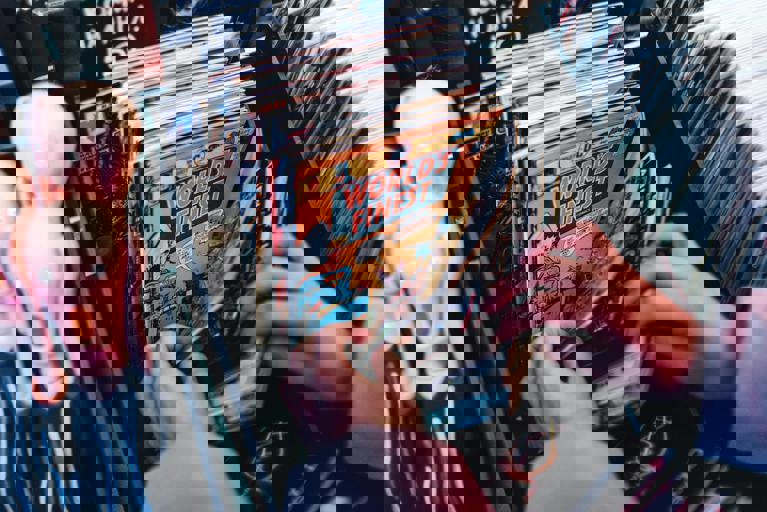
A major event for comic book enthusiasts and culture lovers has arrived with the grand opening of the Retro Comic Book Archive, an exhibition dedicated to rare and vivid 20th-century graphic art. This much-anticipated debut is drawing eager crowds, including collectors, artists, and nostalgia seekers who are longing for a glimpse of iconic comic history. The collection, spanning several decades, offers an immersive journey through the colorful evolution of comics over the last century.
Carefully curated by art historians and comic experts, the Archive showcases an eclectic array of materials such as mint-condition comic books, original inked pages, and unpublished cover illustrations. These artifacts illuminate the tremendous creative effort behind legendary works, from superhero epics to genre-defining noir and sci-fi stories. According to curator Molly Jensen, "These pieces are not just entertainment—they’re a vibrant reflection of society’s changing values and dreams through the decades."
Visitors to the exhibition are immediately greeted by striking displays of some of the earliest superhero comics, including rare first editions that set new standards for graphic storytelling. Notable highlights include the debut issues of characters like Superman and Wonder Woman, whose cultural impact resonated far beyond the pages. The Archive’s collection is particularly prized for including original pencil sketches and color proofs that reveal the artists’ thought processes and technical skill.
Beyond superheroes, the exhibition casts a wide net, celebrating influential works from international scenes and independent publishers. European bandes dessinées and Japanese manga are presented alongside North American icons, highlighting the global evolution of comics as an art form. “We wanted to represent the entire spectrum of comic art, from action-packed adventures to introspective graphic novels,” explained Jensen during the exhibition’s opening tour, emphasizing comics’ cross-cultural significance.
The Archive not only attracts comic aficionados, but also appeals to art lovers drawn by the visual impact of classic comic art. Many panels on display showcase innovative uses of color, dynamic perspectives, and expressive layouts that influenced generations of modern visual artists. Galleries are arranged thematically, allowing visitors to trace stylistic changes from wartime propaganda comics to the countercultural experimentation of the 1970s and 1980s.
In addition to static displays, the venue offers interactive experiences and live demonstrations by contemporary artists. These events are designed to bridge the gap between past and present, showing how the legacy of classic comic art continues to inspire new creators today. “You can see the DNA of vintage comics in today’s graphic novels and digital webcomics,” said local illustrator Jonathan Chen, who hosted a live drawing session during the exhibition’s opening week.
Collectors are given a special treat with a section dedicated to notable acquisitions, some of which have remarkable provenance stories. For example, one showcased issue was once owned by a renowned writer and features hand-written notes in the margins. Detailed information panels accompany each artifact, offering insights into publication history, market value, and the changing tastes of readers and collectors over time.
The exhibition has also sparked broader conversations about the cultural and economic resurgence of vintage comic books. According to industry statistics, the market for rare comics has grown exponentially, with auction house records being routinely broken. Experts attribute this to a mix of nostalgia and growing recognition of comics as both art and investment. The Archive’s organizers anticipate that this public enthusiasm could encourage new generations to explore both collecting and creative expression in comics.
With hundreds of visitors expected throughout its run, the Retro Comic Book Archive is being hailed as a must-see event for fans of pop culture, design, and storytelling. The Archive plans to add rotating exhibits and educational workshops, further cementing its role as a key advocate for comic book appreciation. As artist Jonathan Chen put it, “Comics are a time capsule. They hold our shared dreams and fears. Watching people connect with this heritage is truly inspiring.”